Block Out the Heat
One of the most effective strategies for managing indoor temperatures during the sweltering Aussie summer is to focus on blocking out unnecessary heat. This involves employing various techniques to keep the sun’s rays from penetrating your living space, thereby creating a cooler environment. A crucial first step in this process is to close blinds and curtains, especially those on the sunniest side of the house. By doing so, you effectively reduce heat gain from natural sunlight, which can dramatically lower the temperature within your home.
The use of thermal curtains is particularly recommended, as they are specifically designed to insulate your living space against radiant heat. Unlike standard curtains, thermal curtains feature a special lining that provides an additional barrier, reflecting heat away from the interior. This quality allows them to keep rooms cooler during the day while also helping to maintain warmth during colder nights. It’s important to ensure that these curtains fit snugly within their frames to prevent any gaps that could let heat seep in.
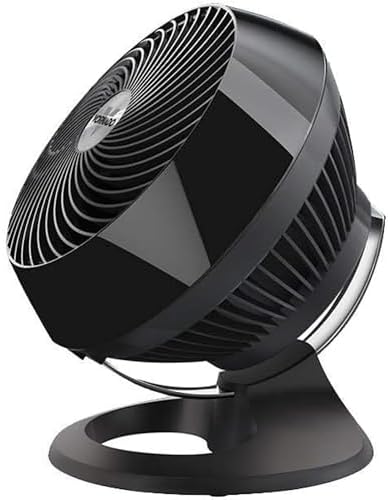
Additionally, utilizing these window treatments in conjunction with ceiling fans or circulators can greatly enhance air circulation. Fans can help distribute cooler air around the room, resulting in a more comfortable environment. By closing the curtains during peak sunlight hours and using a fan to circulate the air, you can create a natural cooling system that avoids the reliance on air conditioning. This not only saves energy and reduces costs, but also contributes to a more sustainable living approach. Implementing these straightforward measures will empower you to take control over your home’s temperature while enjoying the benefits of a cooler, more comfortable space.


DIY Ice Fan: A Refreshing Breeze
As the temperature rises during the hot Australian summer, finding ways to stay cool without relying on an air conditioner becomes paramount. One innovative and cost-effective solution is the DIY ice fan, which can deliver a refreshing breeze while dramatically reducing the temperature in your room. This method involves placing a bowl of ice or reusable ice packs in front of a fan, creating a synergistic effect that enhances airflow and coolness.
To create your DIY ice fan, start by selecting a sturdy fan that can efficiently circulate air. Once you have your fan ready, fill a large bowl with ice cubes or sustainable reusable ice packs. Position the bowl at the front of the fan, ensuring that the airflow passes over the ice, effectively cooling the air before it reaches you. When the fan operates, it draws warm air from the room, circulating it over the icy surface and resulting in a refreshing breeze that can significantly lower the room temperature.
This method has notable advantages over traditional air conditioning systems. Firstly, it does not require any installation costs or energy consume; hence, it is an ideal approach for those looking to save on electricity bills. Secondly, while air conditioning units can dry out the air, the fan method with ice adds moisture back, enhancing overall comfort in the environment. Additionally, using curtains to block out direct sunlight when employing your DIY ice fan can further amplify its cooling effect, making your living space a cozy refuge from the relentless heat.
Ultimately, the DIY ice fan is a practical and efficient way to beat the heat, providing a cool and comfortable atmosphere that aligns with eco-friendly practices. It offers a simple yet effective means of ensuring relaxation without incurring the high costs typically associated with running an AC unit.


Create a Cross-Breeze After Sunset
Creating a cross-breeze in your home after sunset is an effective and energy-efficient way to combat the heat typical of Australian summers. As the sun sets and temperatures begin to cool, open windows on opposite sides of your home. This setup enables a natural airflow, where cooler air from outside enters one window while hot air inside is expelled through the other. The key here is to strategically utilize your home’s layout; ensuring that windows are unobstructed and positioned in a way that promotes a smooth flow of air.
To enhance this natural ventilation, consider employing a circulator fan. Unlike traditional fans, circulator fans are designed to move air more efficiently throughout a room. Placing a circulator fan in the open window can help draw in the cooler outdoor air, while also pushing out the warm air lingering inside. The optimized airflow not only makes the environment more bearable but also enables the curtains to billow gently, further enhancing the effects of the cross-breeze.
It’s important to remember that the positioning and type of curtains you use can significantly affect the airflow in your home. Lighter, sheer curtains allow for greater passage of air, while heavier drapes can obstruct it. Choosing the right curtains can complement your efforts to maintain a cooler space. By prioritizing ventilation and airflow, you can naturally regulate your home’s temperature and reduce reliance on air conditioning systems, emphasizing the effectiveness of passive cooling methods.
Utilizing this simple technique after sunset can lead to a significant drop in indoor temperatures, providing a comfortable, refreshing atmosphere in your home without incurring energy costs. This natural approach to cooling can make your living space more enjoyable while promoting sustainability in managing the Aussie heat.